

Can marble be used in a bathroom?
Yes. Marble is widely used for vanities, walls and floors, but it is acid sensitive and develops patina. A suitable finish, sealer and maintenance expectation matter.
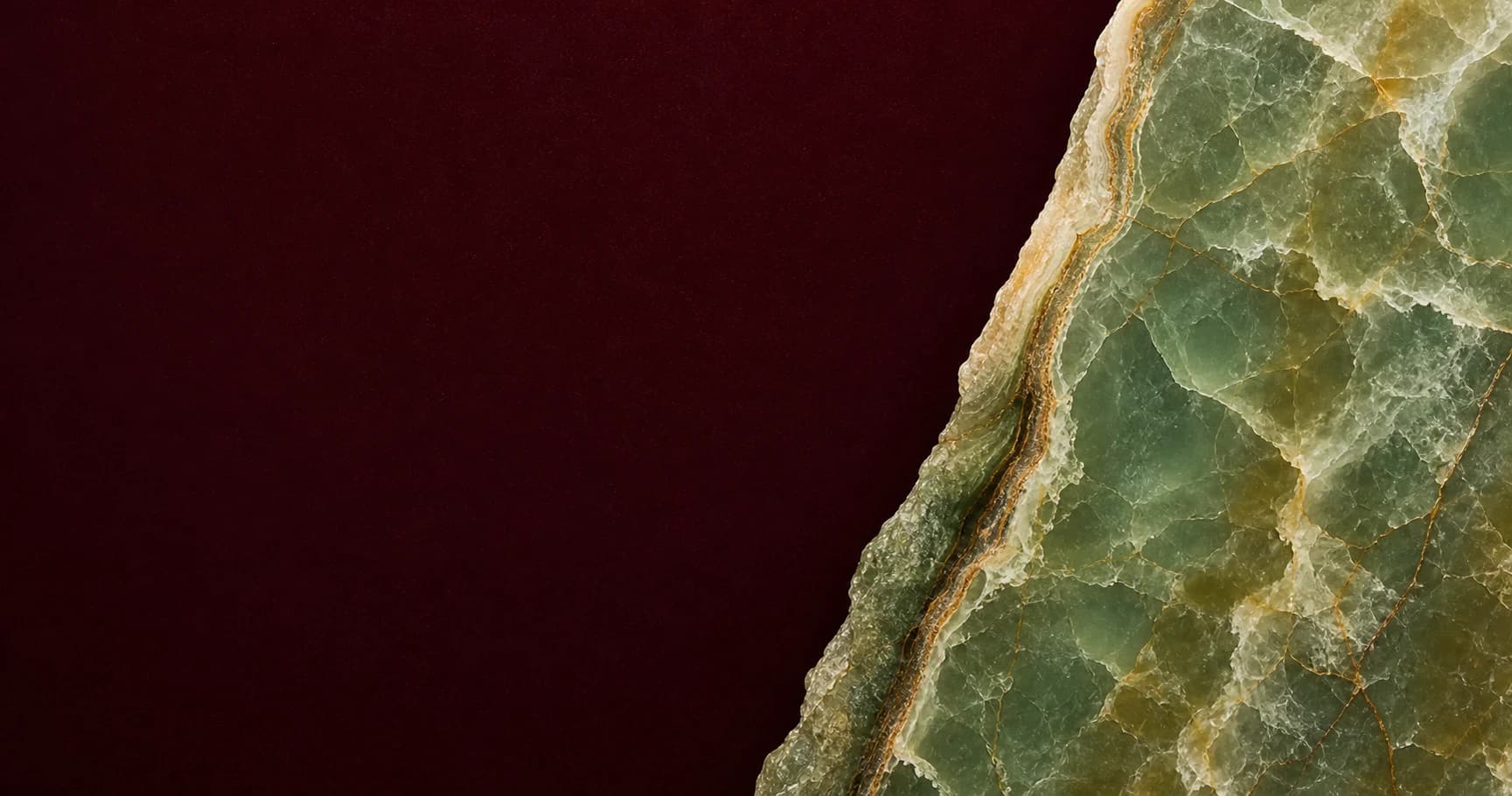
Natural stone by application
Bathrooms invite quieter materials, close-range detail and luminous surfaces, but water exposure makes absorption, finish and sealing central to the specification. Compare each slab's technical profile and visual character before committing to a vanity, wall or tub surround.
What to prioritize
Marble, quartzite and onyx can all work beautifully in bathrooms when specified for the right surface. Acid-sensitive stones need pH-neutral care, while translucent onyx is best reserved for controlled statement applications. Always align the finish, substrate and sealer with the wet-area detail.
Water absorption and a documented sealing approach
Slip-aware finishes for any horizontal or wet walking surface
Veining scale that remains intentional after cuts and penetrations
Compare at a glance
Use these reference values to narrow the field before requesting samples, current slab photography, and project-specific fabrication guidance.
| Material | Water absorption | Hardness (Mohs) | Acid sensitivity | Sealing required | Availability |
|---|---|---|---|---|---|
| 01Verde Onice KhorasanOnyx | 0.7% | 3 | High | Yes | 1 slabs |
| 02Taj MahalQuartzite | 0.35% | 7 | Low | Yes | 7 slabs |
| 03Bianco MarQuartzite | 0.3% | 7 | Low | Yes | 6 slabs |
Technical values are indicative references based on stone family and available material data. Confirm final performance, finish, sealing, and fabrication requirements against the selected physical slab before specification.
Bathrooms
Absorption, finish and sealing sit at the top of this list. Other catalog stones still appear below.
Rosso editorial pickOnyx · Italy
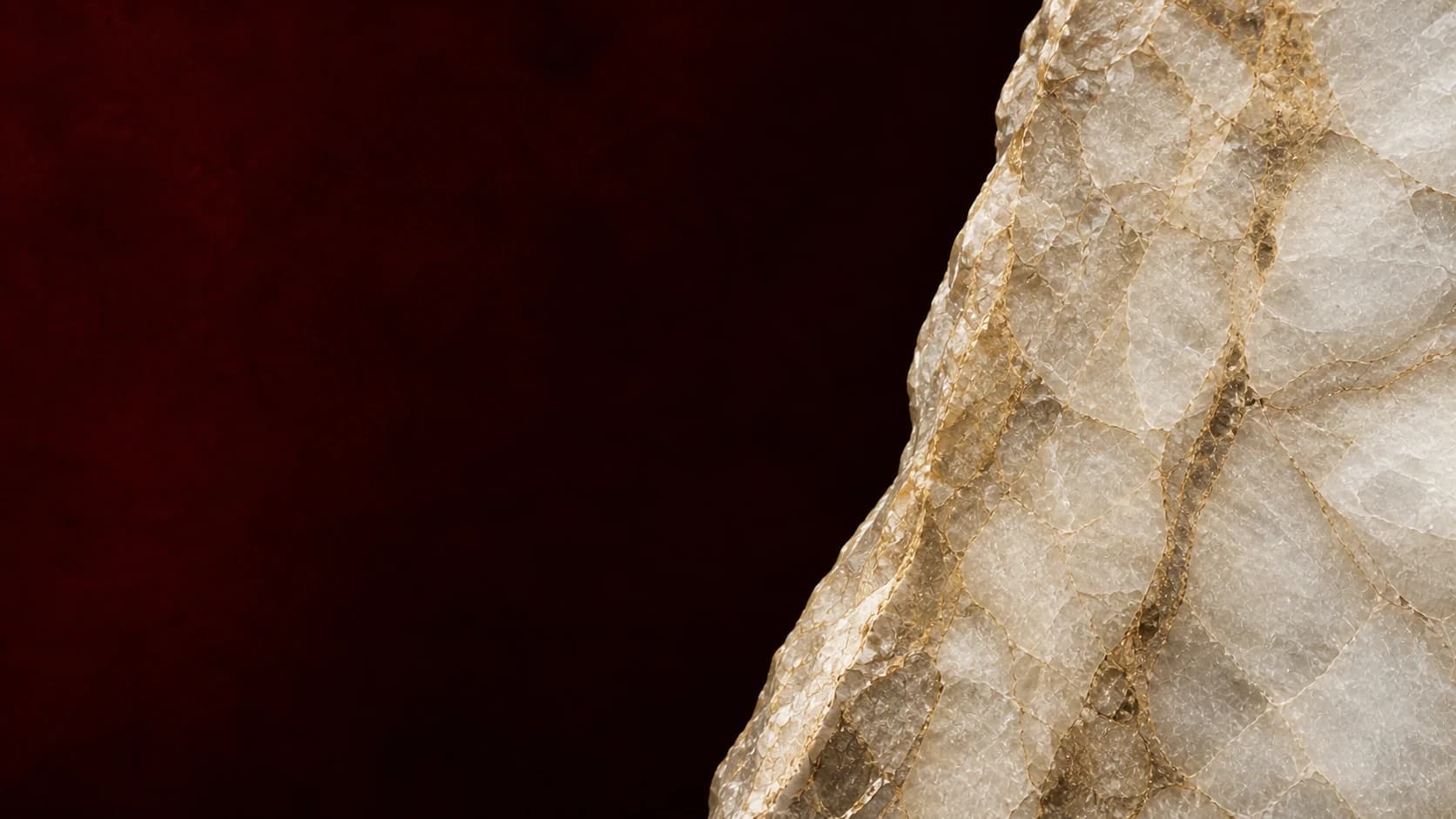
Quartzite · Brazil

Quartzite · Brazil

Marble · Greece

Quartzite · Brazil

Marble · Italy

Marble · Italy

Quartzite · Brazil
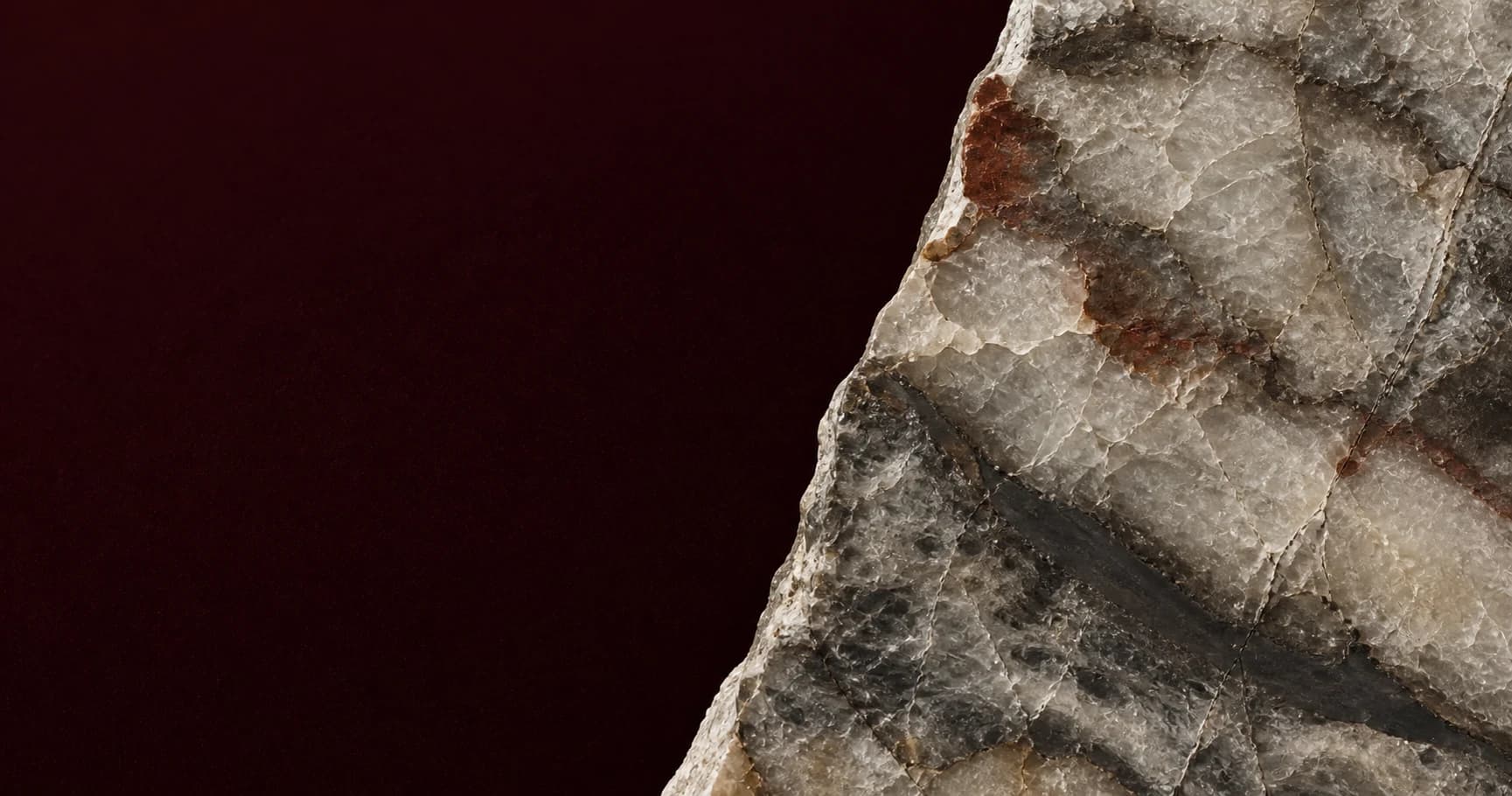
Quartzite · Brazil

Marble · Greece

Marble · Italy
Also in the catalog
The room does not hide a stone. These sit after the spec-led shortlist so you can still compare hardness, absorption and acid resistance.
Common questions
Yes. Marble is widely used for vanities, walls and floors, but it is acid sensitive and develops patina. A suitable finish, sealer and maintenance expectation matter.
Translucent onyx is the classic choice. Lighting, backing, seams and heat management should be engineered with the fabricator.
Need a second set of eyes?