What makes a slab good for bookmatching?
Strong directional movement and consecutive slabs from the same block are the starting point. Scanner imagery helps evaluate the composition before cutting.
Natural stone by application
On a wall, stone becomes composition. Vein direction, bookmatch potential, lighting and joint placement shape the final result more than a small sample can show. Individual slab imagery makes those decisions visible early.
What to prioritize
Bookmatched marble, graphic quartzite and translucent onyx reward careful digital layout. Review the complete slab sequence, locate openings and joints, and reserve the physical pieces as one coordinated set.
Full-slab imagery for vein direction and sequence planning
Weight, anchoring and substrate coordination
Edge, seam and lighting details resolved before fabrication
Compare at a glance
Use these reference values to narrow the field before requesting samples, current slab photography, and project-specific fabrication guidance.
| Material | Water absorption | Hardness (Mohs) | Acid sensitivity | Sealing required | Availability |
|---|---|---|---|---|---|
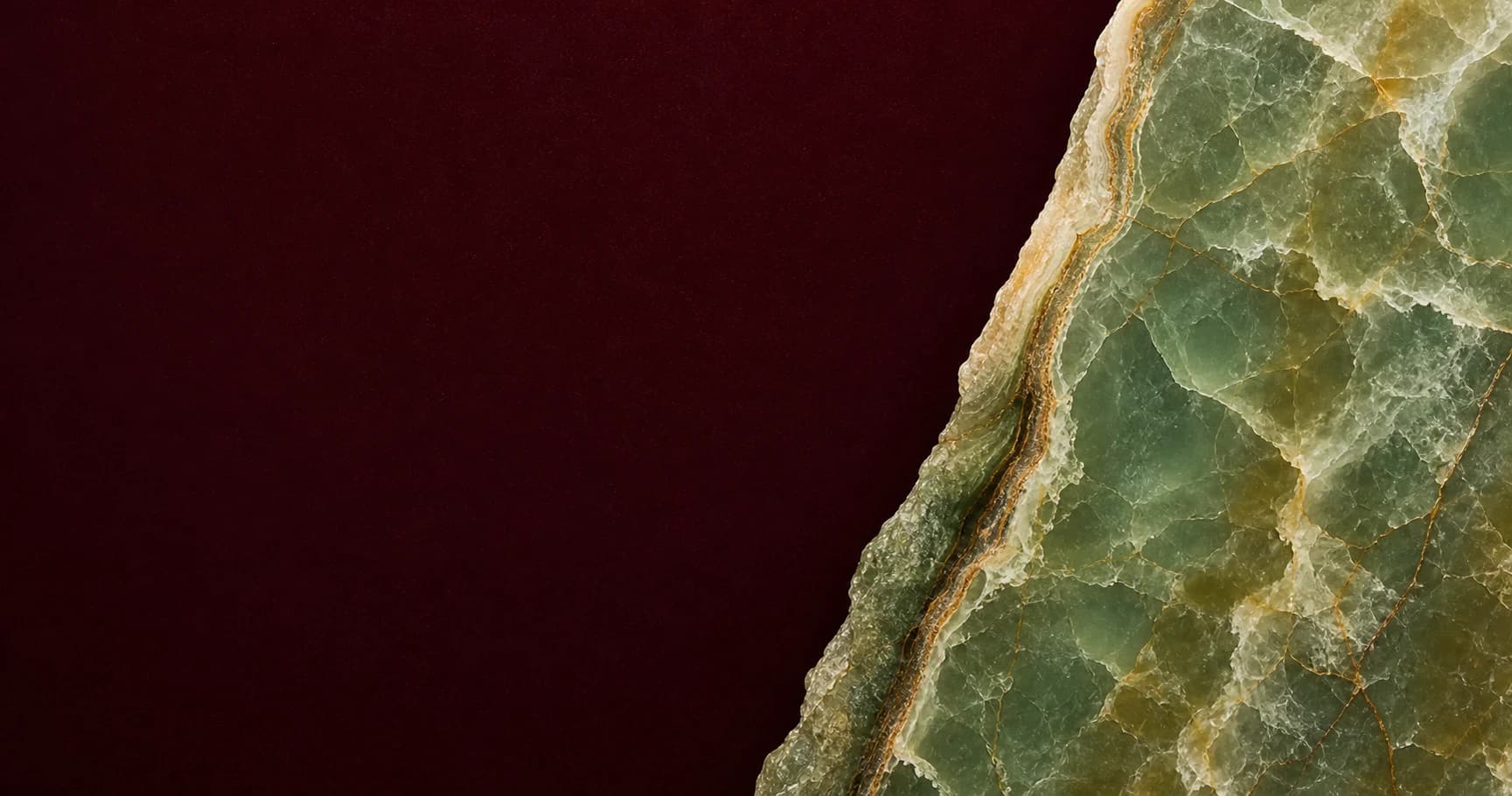
| 01Verde Onice KhorasanOnyx | 0.7% | 3 | High | Yes | 1 slabs |
| 02Volakas PremiumMarble | 0.4% | 3–4 | High | Yes | 6 slabs |
| 03Bardiglio ImperialeMarble | 0.4% | 3–4 | High | Yes | 5 slabs |
Technical values are indicative references based on stone family and available material data. Confirm final performance, finish, sealing, and fabrication requirements against the selected physical slab before specification.
Wall cladding
Weight, movement and finish recommend these first. Other stones remain available below.
Rosso editorial pickOnyx · Italy

Marble · Greece

Marble · Italy

Marble · Italy

Marble · Greece

Marble · Italy
Also in the catalog
The room does not hide a stone. These sit after the spec-led shortlist so you can still compare hardness, absorption and acid resistance.
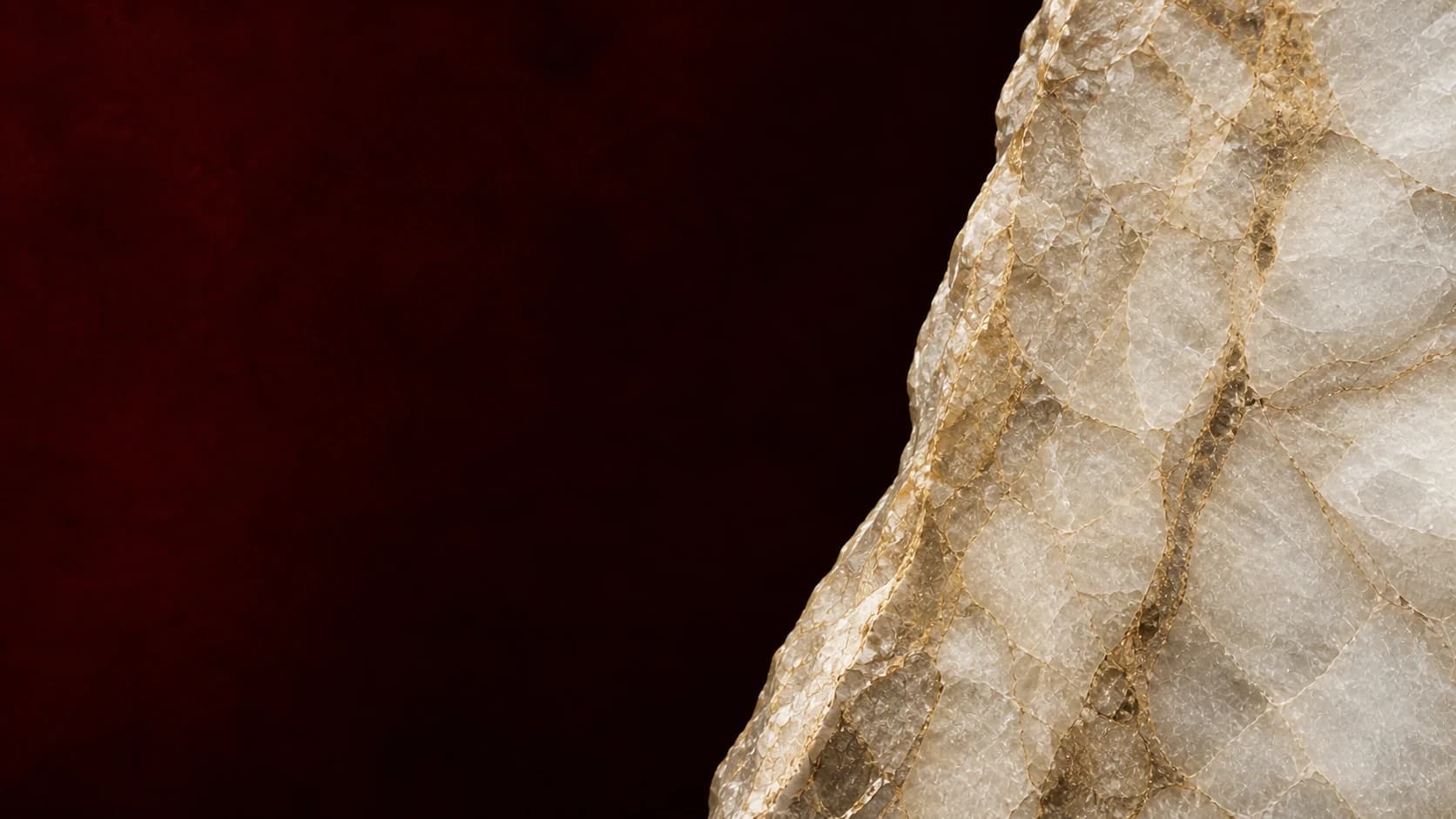
Quartzite · Brazil
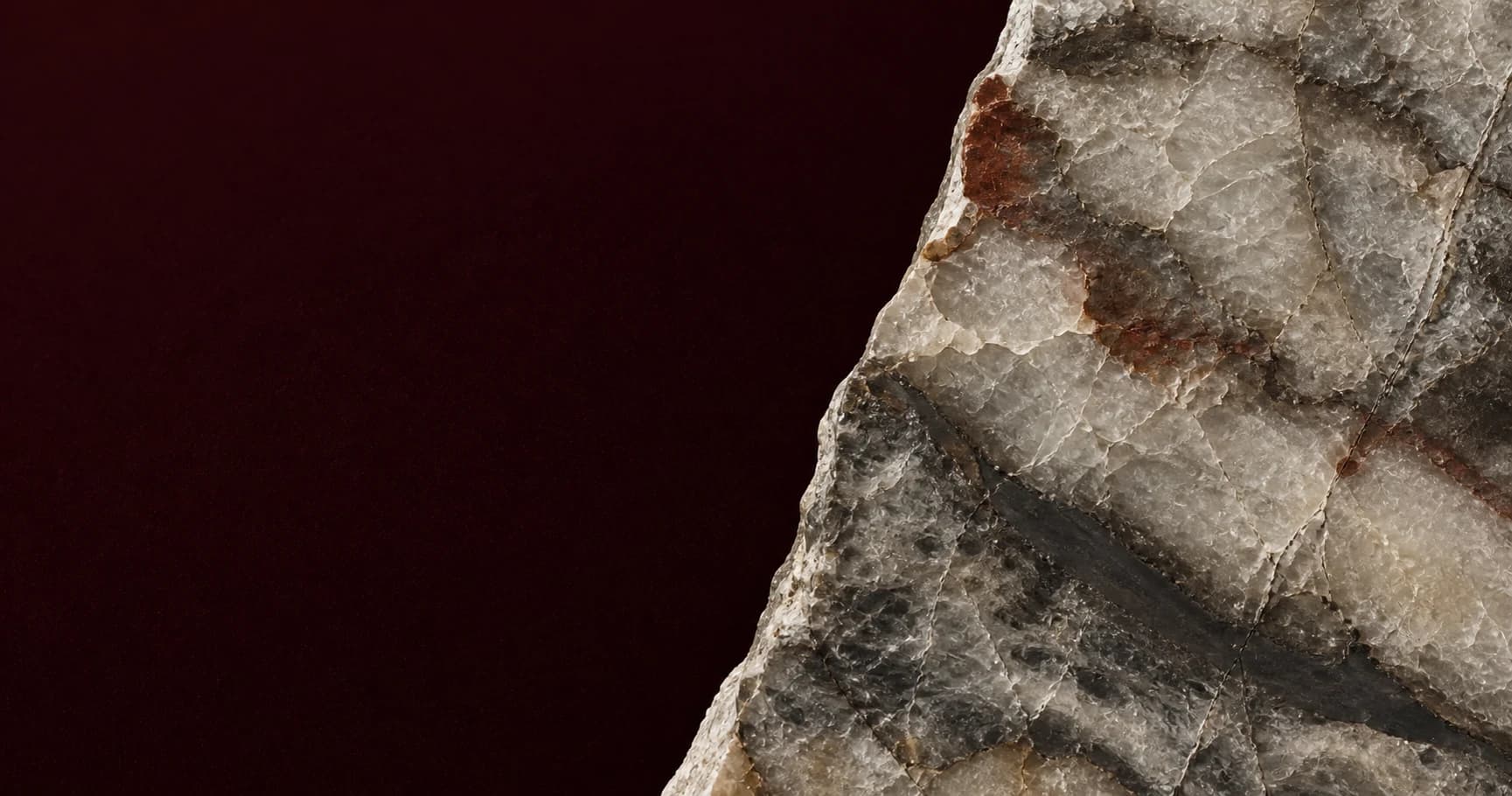
Quartzite · Brazil

Quartzite · Brazil

Granite · Brazil

Quartzite · Brazil

Granite · Brazil

Quartzite · Brazil
Common questions
Strong directional movement and consecutive slabs from the same block are the starting point. Scanner imagery helps evaluate the composition before cutting.
Yes, with an engineered attachment and substrate appropriate to the material, thickness, height and local code.
Need a second set of eyes?