Can quartzite be used outdoors?
Many quartzites can, but absorption, mineral stability, finish and freeze-thaw exposure must be checked for the exact project and material.
Natural stone by application
Exterior stone lives with sun, rain, thermal movement and, in many regions, freeze-thaw cycles. A material that performs well indoors still needs climate-specific evaluation before it moves outside.
What to prioritize
Dense granites and many quartzites are strong exterior candidates, but names are not specifications. Confirm test data, finish behavior and maintenance with the exact supplied material and local installation team.
Absorption and freeze-thaw performance for the project climate
UV-stable appearance and an exterior-appropriate finish
Drainage, movement joints and installation system coordination
Compare at a glance
Use these reference values to narrow the field before requesting samples, current slab photography, and project-specific fabrication guidance.
| Material | Water absorption | Hardness (Mohs) | Acid sensitivity | Sealing required | Availability |
|---|---|---|---|---|---|
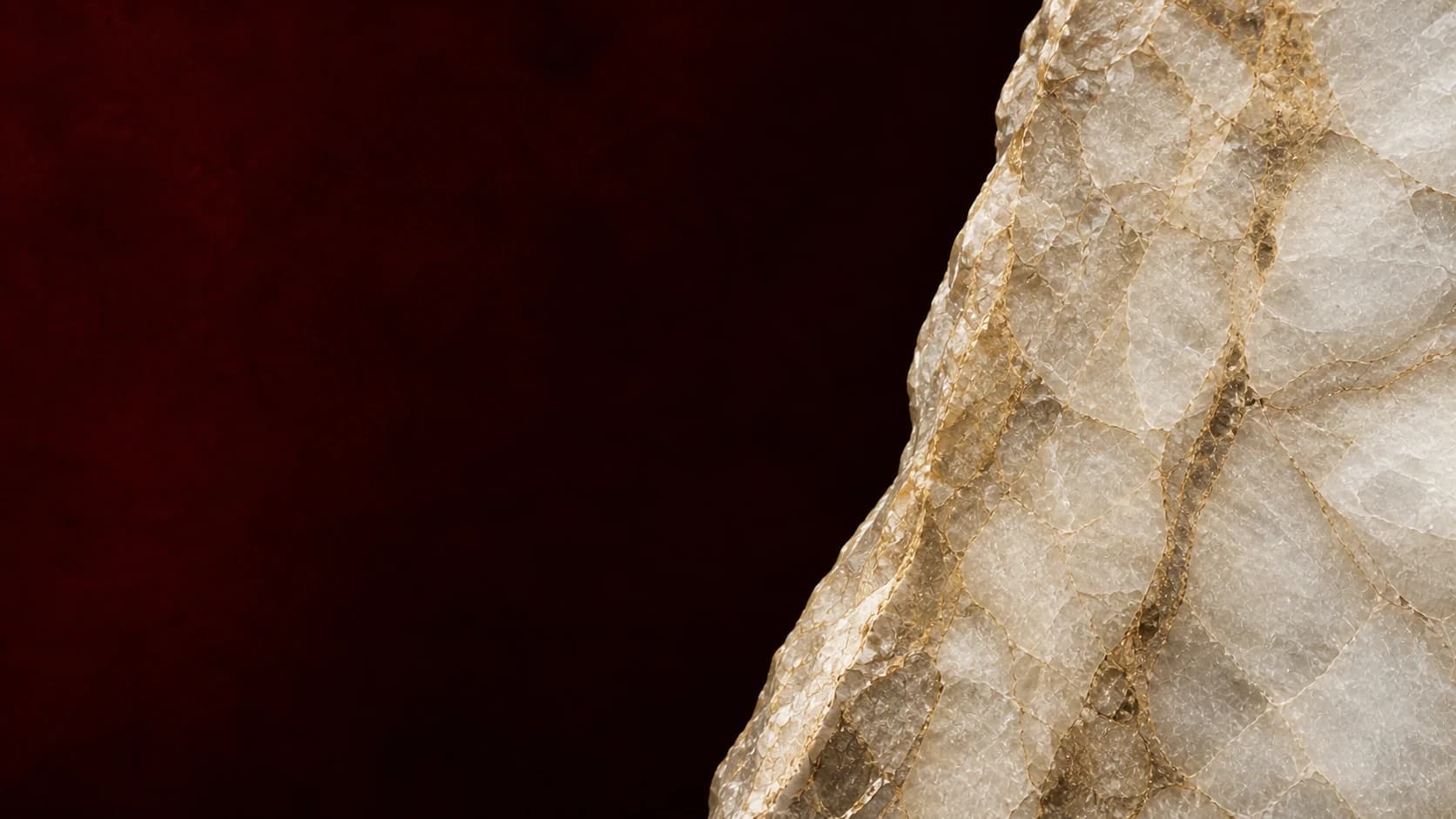
| 01Taj MahalQuartzite | 0.35% | 7 | Low | Yes | 7 slabs |
| 02Verde UbatubaGranite | 0.2% | 6 | Low | No | 9 slabs |
| 03Bianco MarQuartzite | 0.3% | 7 | Low | Yes | 6 slabs |
Technical values are indicative references based on stone family and available material data. Confirm final performance, finish, sealing, and fabrication requirements against the selected physical slab before specification.
Exterior areas
Climate and absorption recommend these first. Other stones in the catalog remain below.
Rosso editorial pickQuartzite · Brazil

Granite · Brazil

Quartzite · Brazil

Quartzite · Brazil

Granite · Brazil

Quartzite · Brazil
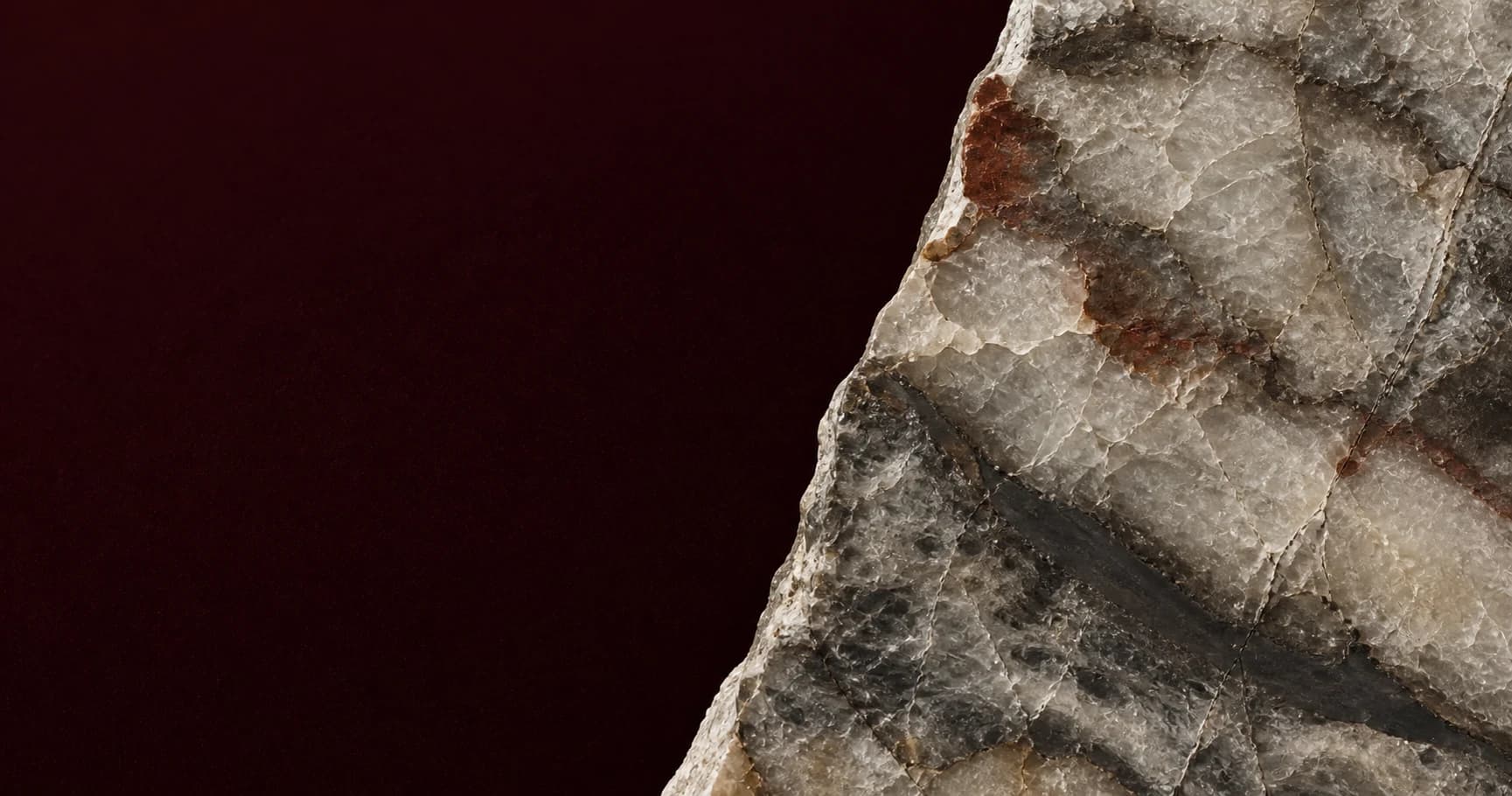
Quartzite · Brazil
Also in the catalog
The room does not hide a stone. These sit after the spec-led shortlist so you can still compare hardness, absorption and acid resistance.

Marble · Italy

Marble · Italy

Marble · Italy

Marble · Greece

Marble · Greece
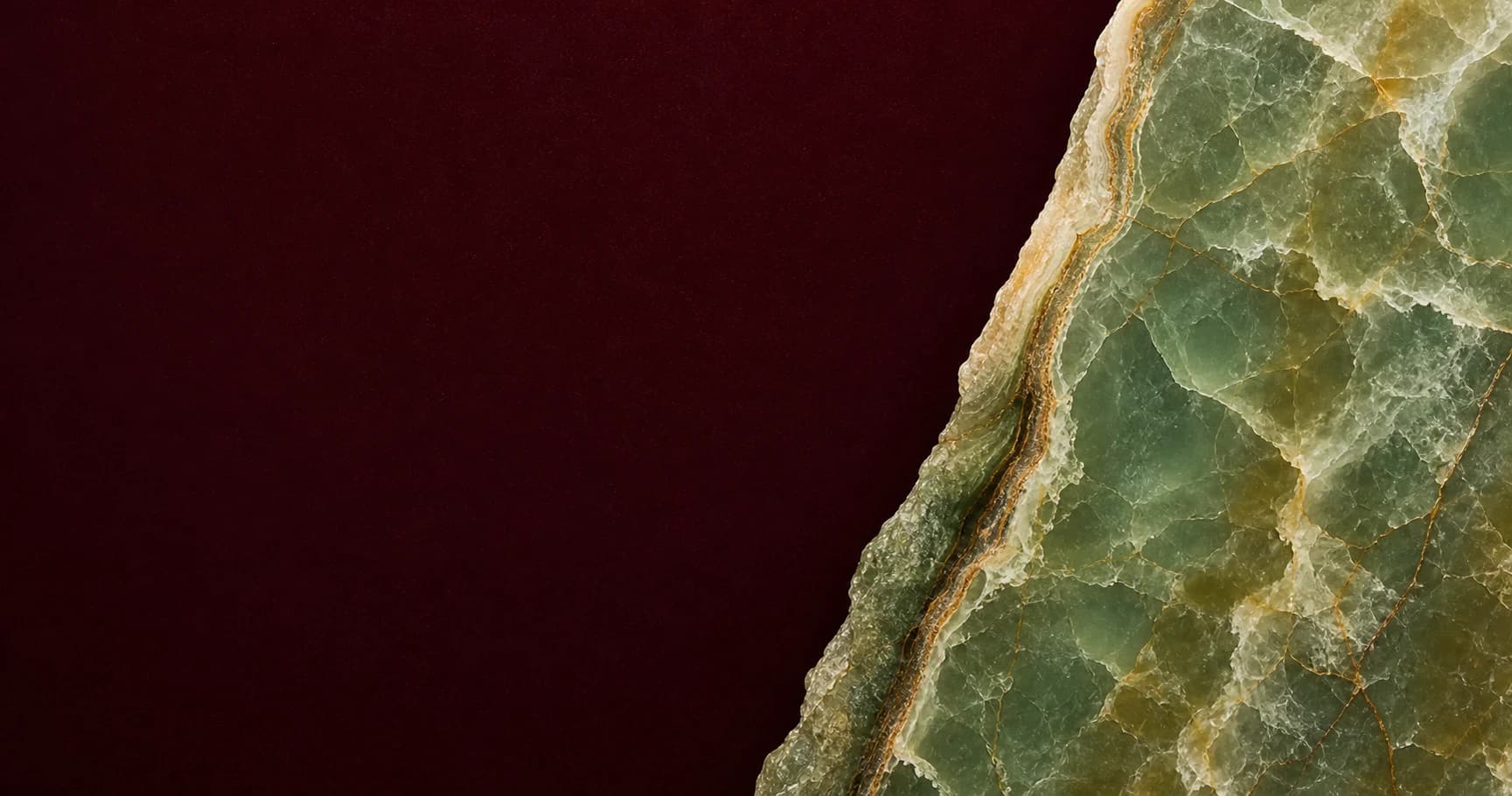
Onyx · Italy
Common questions
Many quartzites can, but absorption, mineral stability, finish and freeze-thaw exposure must be checked for the exact project and material.
Textured or honed finishes are often considered for grip and weathering, but the best choice depends on the surface, climate and maintenance plan.
Need a second set of eyes?